Online resource centre for Anglican-Roman Catholic relations
News & Opinion
• 2026
• 2025
• 2024
• 2023
• 2022
• 2021
• 2020
• 2019
• 2018
• 2017
• 2016
• 2015
• 2014
• 2013
• 2012
• 2011
• 2010
• 2009
• 2008
• 2007
• 2006
• 2005
• 2004
• 2003
• 2002
• 2001
• 2000
• 1999
• 1998
• 1997
• 1996
• 1967
• 1966
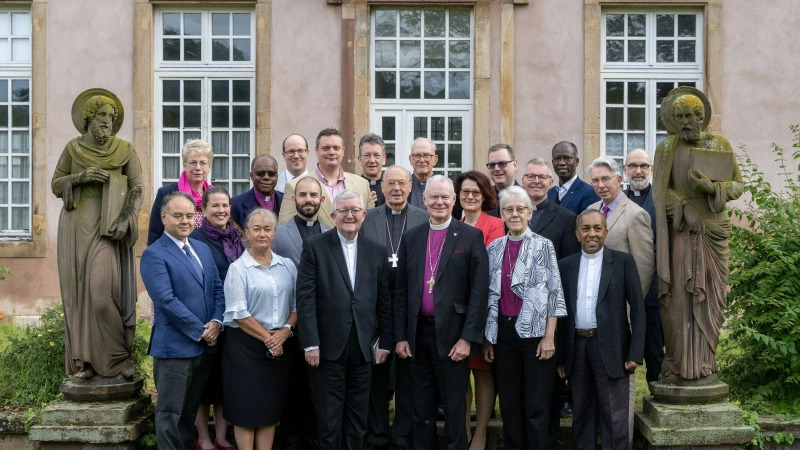
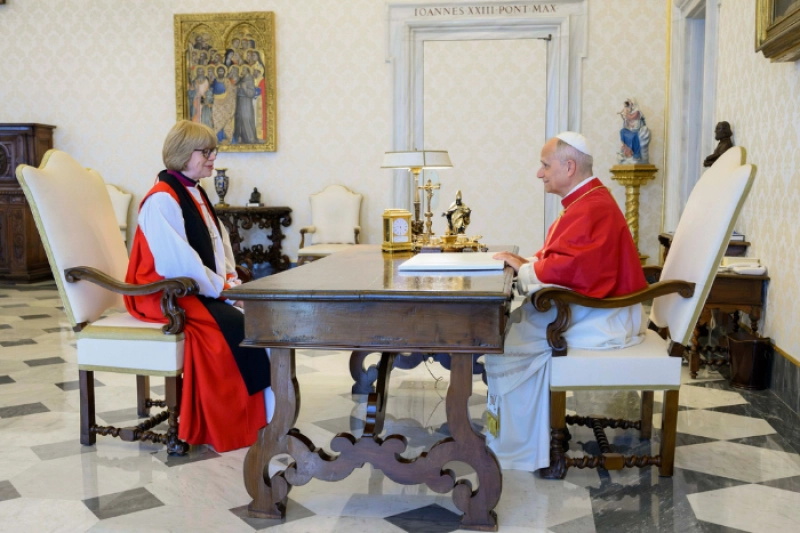
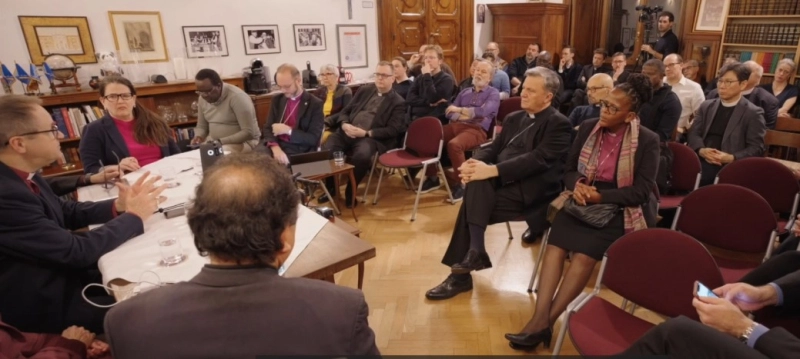
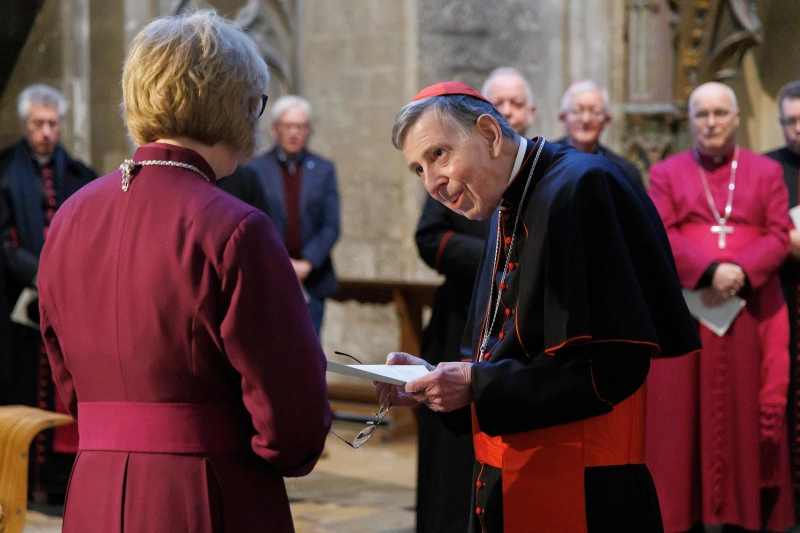
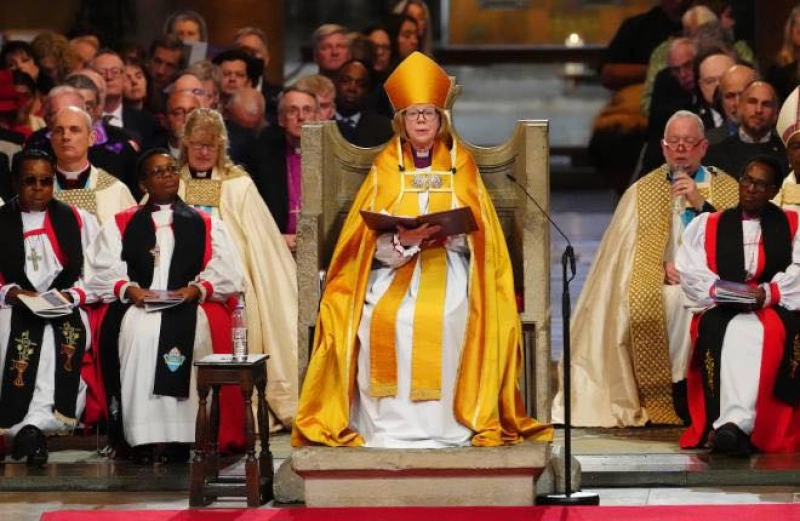
Archbishops of Canterbury from the Anglican-Roman Catholic dialogues
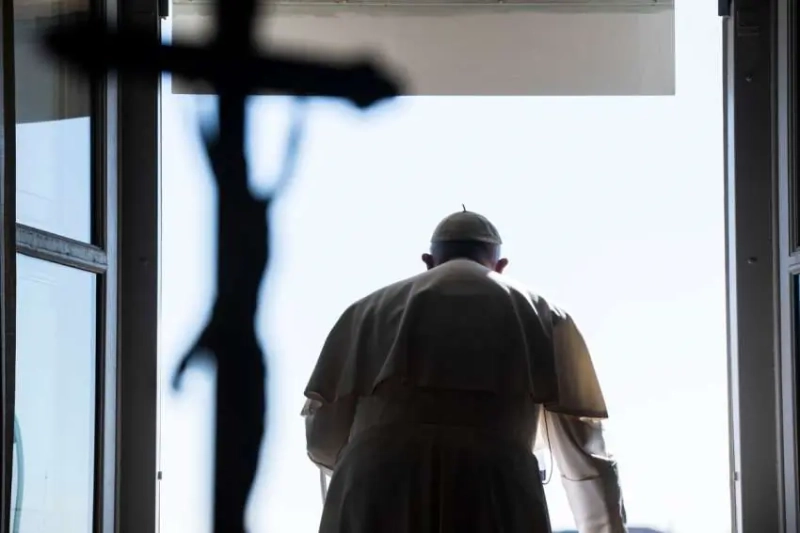
Before beginning their ecumenical pilgrimage of peace to South Sudan, Pope Francis and the leaders of the Anglican Communion and the Presbyterian Church of Scotland asked Christians around the globe to accompany them with prayers. Pope Francis is scheduled to fly first to Congo for a visit Jan. 31-Feb. 3 before meeting up in Juba, South Sudan, with Anglican Archbishop Justin Welby of Canterbury and the Rev. Iain Greenshields, moderator of the Church of Scotland. About 60% of South Sudan’s population is Christian, and the leaders’ three denominations are the largest in the country.
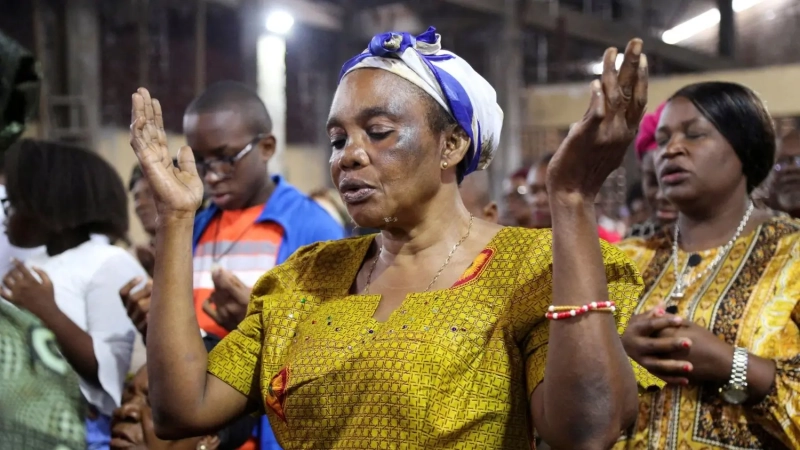
Pope Francis invites Christians to pray for his upcoming Apostolic Journey to the Democratic Republic of Congo and South Sudan, saying the African nations have suffered greatly from lengthy conflicts. Pope Francis sets off on Tuesday as a “pilgrim of peace” to the Democratic Republic of Congo and South Sudan on 31 January – 5 February.
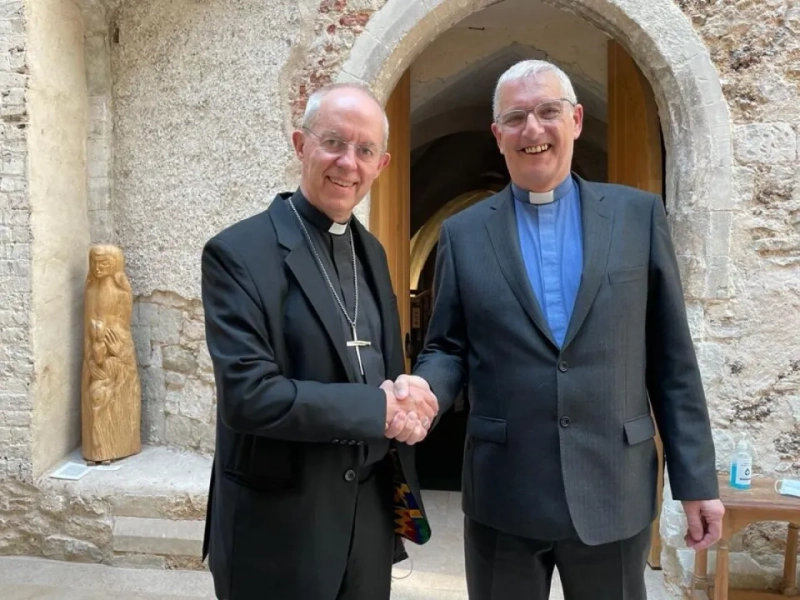
In South Sudan, “the Church speaks with one voice for peace,” says Presbyterian leader about the upcoming trip with Pope Francis. From February 3 to 5, the Moderator of the Presbyterian Church of Scotland, the Right Reverend Dr. Iain Greenshields, will join Pope Francis and the Archbishop of Canterbury, Justin Welby, on a “pilgrimage of peace” to South Sudan. The three Christian branches have worked together for several years to promote peace in the youngest state in the world, which continues to be troubled by conflict since its independence in 2011.
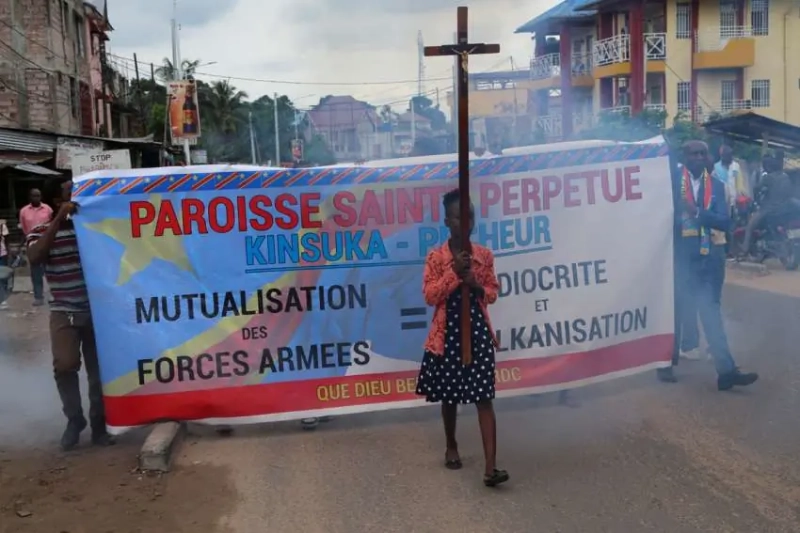
Braving a volatile political and security situation, Pope Francis embarks on a long-anticipated journey of unity and reconciliation to two African countries wracked by bitter divisions, warring factions and humanitarian crises seldom on the radar of international power brokers.
The Pope will travel first to Kinshasa, capital of the Democratic Republic of Congo, on Jan. 31 before proceeding to South Sudan from Feb. 3-5. In the latter country, he will be joined by the archbishop of Canterbury, Justin Welby, and the moderator of the Church of Scotland, Iain Greenshields, in what has been described as an ecumenical pilgrimage to facilitate a peace process that has been moving at a glacial pace following 10 years of a brutal civil war.
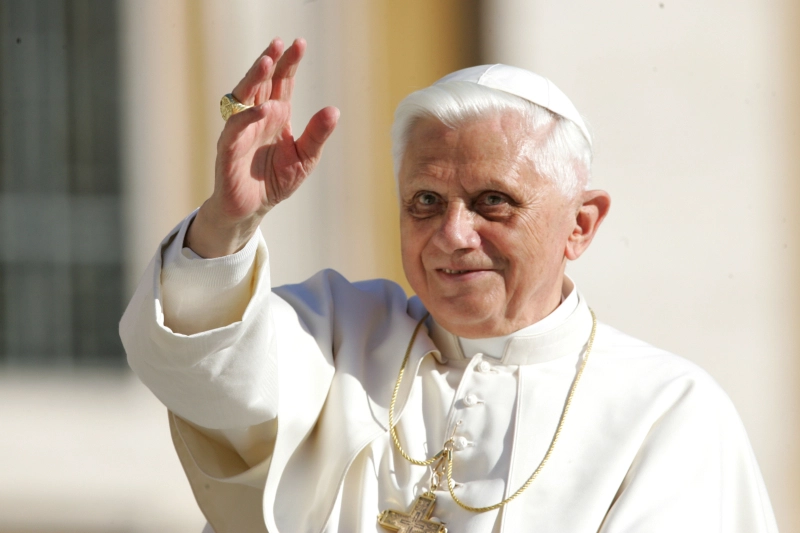
Today I join with the church throughout the world, and especially with the Holy Father, Pope Francis, and all in the Catholic Church, in mourning the death of Pope Emeritus Benedict XVI.
In Pope Benedict’s long life and ministry of service to Christ in His Church he saw many profound changes in the church and in the world. He lived through the Nazi regime in Germany and served briefly in the Second World War. As a younger theologian and priest he witnessed first-hand the discussions of the Second Vatican Council. As a professor and then as an Archbishop he lived in a divided Germany but saw too the fall of the Berlin Wall and the reunification of his homeland.
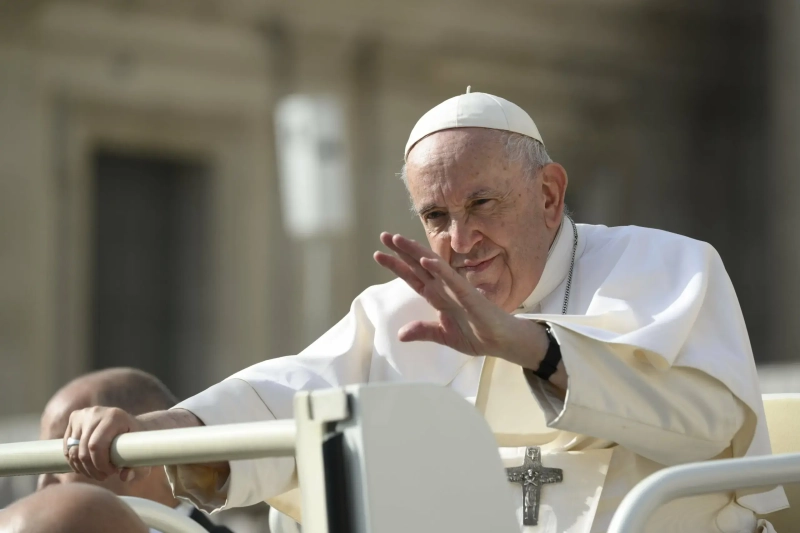
Pope Francis, the Archbishop of Canterbury and the Moderator of the General Assembly of the Church of Scotland will make an historic Ecumenical Peace Pilgrimage to South Sudan from 3rd to 5th February next year.
The long-awaited visit was due to take place in July of this year, but was postponed after the Vatican announced that Pope Francis would not be able to travel on advice from his doctors. The visit was promised during a spiritual retreat held at the Vatican in 2019, in which South Sudanese political leaders committed to working together for the good of their people.
The three spiritual leaders have often spoken of their hopes to visit South Sudan – to stand in solidarity with its people as they face the challenges of devastating flooding, widespread famine and continued violence. Pope Francis has said: “I think of South Sudan and the plea for peace arising from its people who, weary of violence and poverty, await concrete results from the process of national reconciliation. I would like to contribute to that process, not alone, but by making an ecumenical pilgrimage together with two dear brothers, the Archbishop of Canterbury and the Moderator of the General Assembly of the Church of Scotland.”
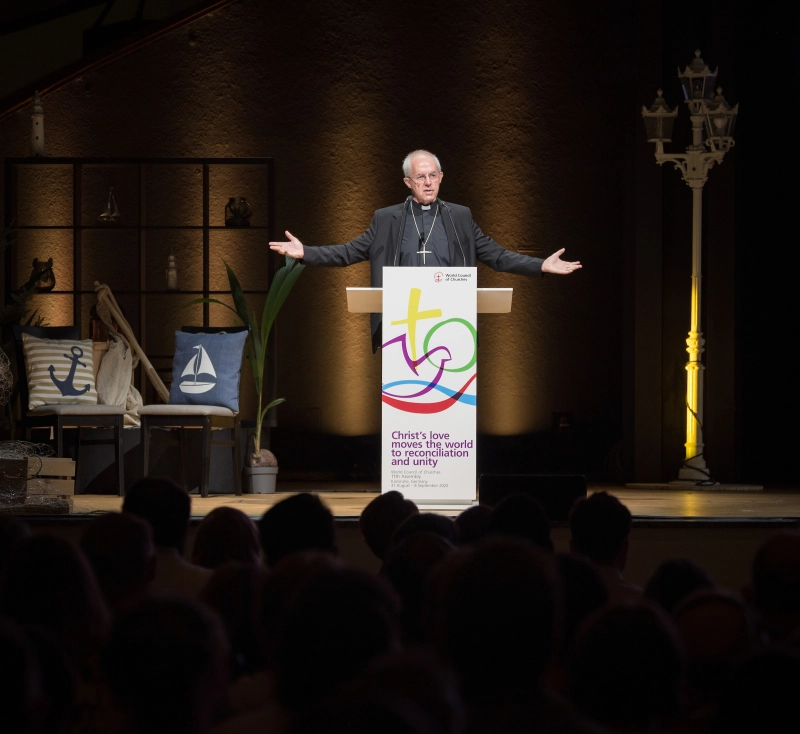
At times of world crisis, the “habits of division” between Christians must end, the Archbishop of Canterbury said on Wednesday. He was addressing the 11th World Council of Churches (WCC) Assembly, meeting in Karlsruhe, Germany (Comment, 2 September).
Archbishop Welby spoke of the Lambeth Conference meeting in Canterbury over the summer (News, 19 August), at which participants had expressed “huge differences” over matters such as human sexuality. “We found our way forward through, not by solving the issues but by living in the light of Christ, by saying we do not agree, by being honest without excluding one another.”
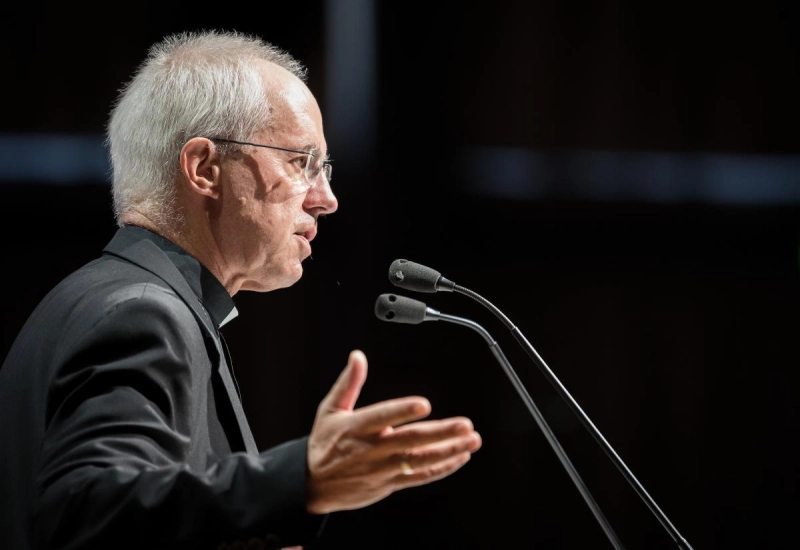
Archbishop of Canterbury Justin Welby addressed the World Council of Churches 11th Assembly on 7 September.
The archbishop spoke of how the theme of the WCC assembly—“Christ’s love moves the world to reconciliation and unity”—resonates with the theme of the Lambeth Conference of Anglican Bishops, held in August under the theme “God’s Church for God’s World.”
Archbishop Justin today addressed the 11th Assembly of the World Council of Churches. The WCC Assembly is the highest governing body of the World Council of Churches, and normally meets every eight years. This year’s conference took place between 31st August – 8th September 2022. It is the only time when the entire fellowship of member churches come together in one place for prayer and celebration. The theme of the 11th Assembly of the World Council of Churches is “Christ’s love moves the world to reconciliation and unity”.
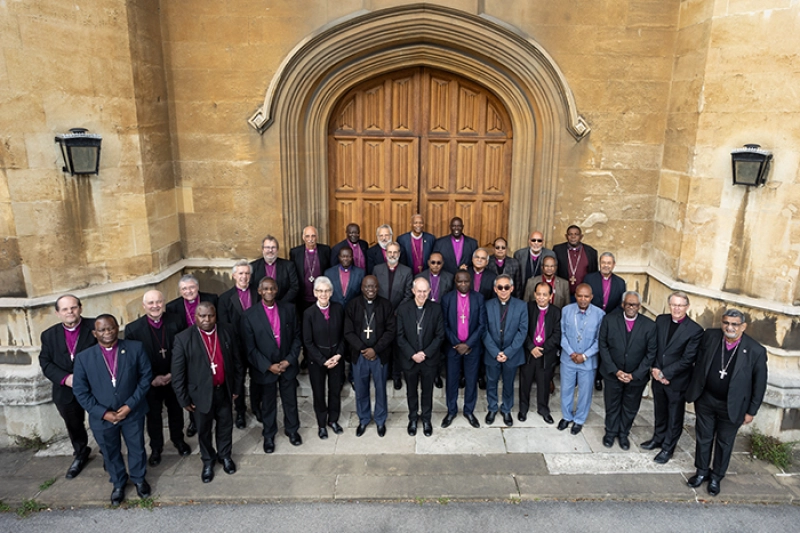
Churches from the global Anglican Communion will be formally represented on the body which nominates future Archbishops of Canterbury.
Until now the wider worldwide Anglican Communion, outside of England, has been represented by just one of the 16 members of the Crown Nominations Commission (CNC) for the See of Canterbury.
But under changes to the Standing Orders of the General Synod formally approved today, there will now be five representatives of other churches of the Anglican Communion – one each from Africa; the Americas; Middle East and Asia; Oceania and Europe.
The new rules will also ensure the inclusion of laity and clergy as well as bishops; a balance of men and women and that at least half of the five will be of Global Majority Heritage.
All diocesan bishops of the Church of England, including the archbishops, are appointed by Her Majesty the Queen following a nomination by the Crown Nominations Commission for the see.
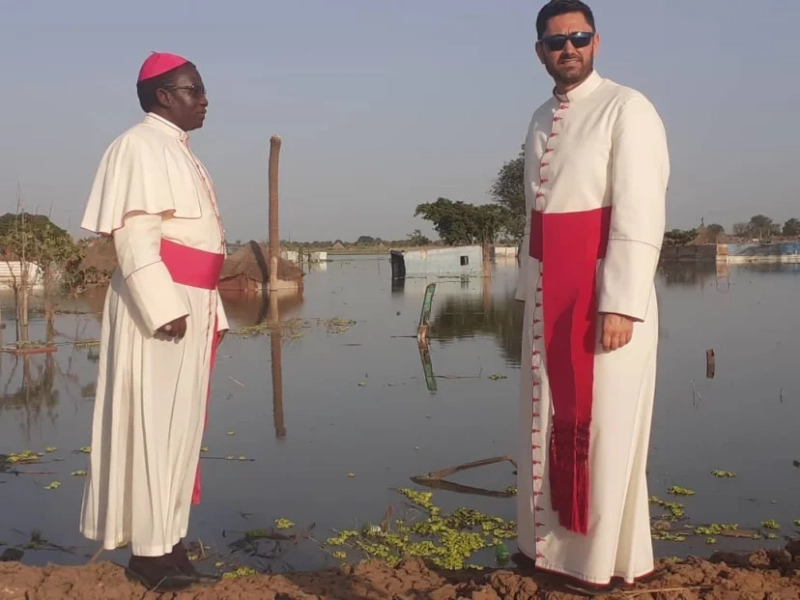
Fulfilling a promise made years ago, Pope Francis this July will visit South Sudan, a country torn apart by a civil war. He will also visit the Democratic Republic of Congo. “At the invitation of their respective Heads of State and Bishops, His Holiness Pope Francis will make an Apostolic Journey to the Democratic Republic of Congo from 2 to 5 July 2022, visiting the cities of Kinshasa and Goma and to South Sudan from 5 to 7 July, visiting Juba,” says the statement released by the Vatican’s press office a little after noon Rome time.
Francis had announced the trip himself, from the window overlooking St. Peter’s Square, following a Sunday Angelus in 2019. However, the COVID-19 pandemic and the country’s instability delayed the visit. Vatican spokesman Matteo Bruni did not clarify if Justin Welby, Archbishop of Canterbury, would be joining in the South Sudan leg of the visit, but the office of the Archbishop of Canterbury confirmed the Anglican leader would accompany the pontiff. The two have spoken about wanting to visit this African nation together. In fact, Welby spoke about this possibility Feb. 6. “God willing, sometime in the next few months, maybe year, we will go to see them in Juba, not Rome, and see what progress can be made,” Welby said. “That’s history,” Welby said of the likely trip that will mark the first time the two Christian leaders will travel together.
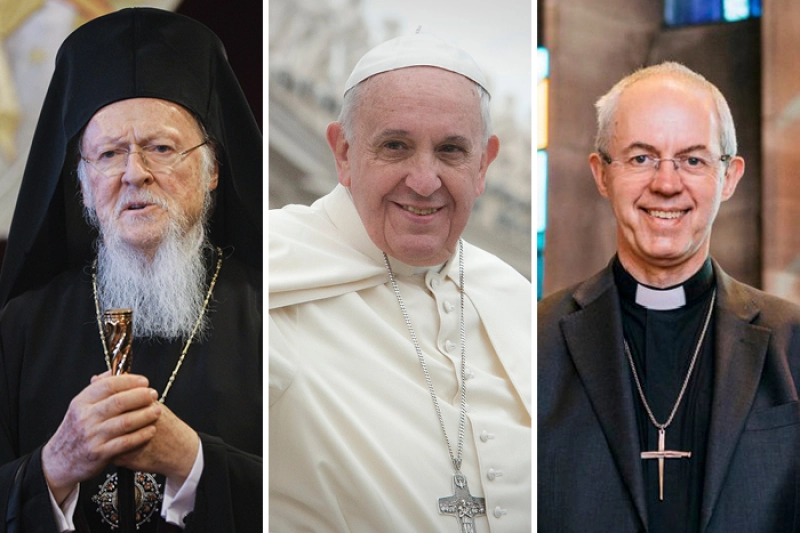
The leaders of the Orthodox, Catholic and Anglican communions of churches have issued a rare joint statement on the need to protect creation. The message was released yesterday (Tuesday) during the Season of Creation, which runs from runs from 1 September – designated as the World Day of Prayer for the Care of Creation – to 4 October – the feast of Saint Francis of Assisi. It looks ahead to the UN climate change conference taking place in Glasgow, Scotland, in November.
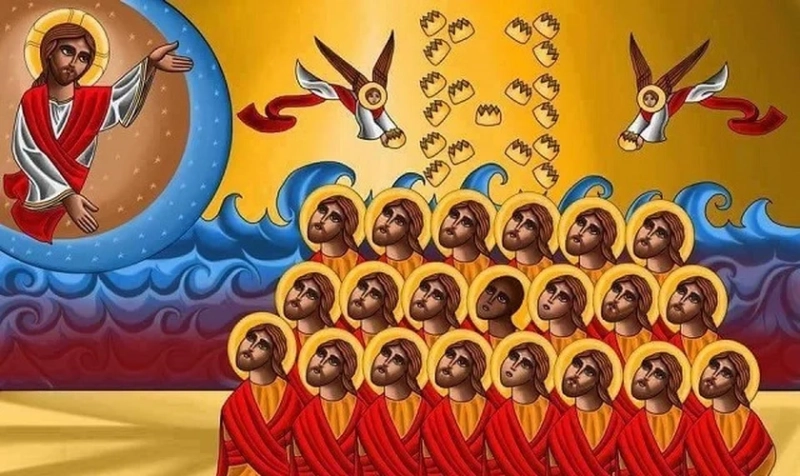
In November 2015, at the opening service of the General Synod of the Church of England, we had the privilege of Father Raniero Cantalamessa, now a Cardinal, preaching at the main service in Westminster Abbey in front of the Queen and the General Synod. Memorably he described persecutors as the great ecumenists, for he said they do not ask when they kill us, are you Orthodox or Catholic or Anglican or Protestant or Pentecostal? They ask only are you Christian?
And the reality of the ecumenism of blood is felt on this day as we commemorate the modern martyrs. It reminds us, and I’m reminded too by a fellow bishop in the Church of England who is themselves from a family where there is a modern martyr, that ecumenism and solidarity are with the persecuted, for we are united to them by their blood. It is not just something we feel for the persecuted nor that we stand to the towards the persecuted. ‘With’ is the key word and if we are going to be with them, whether it is the 21 martyrs in Libya (and I still remember the horror of that news) or whether it is in Nigeria or so many other parts of the world, we are there to listen as well as to speak; more to listen; to be in solidarity with them.
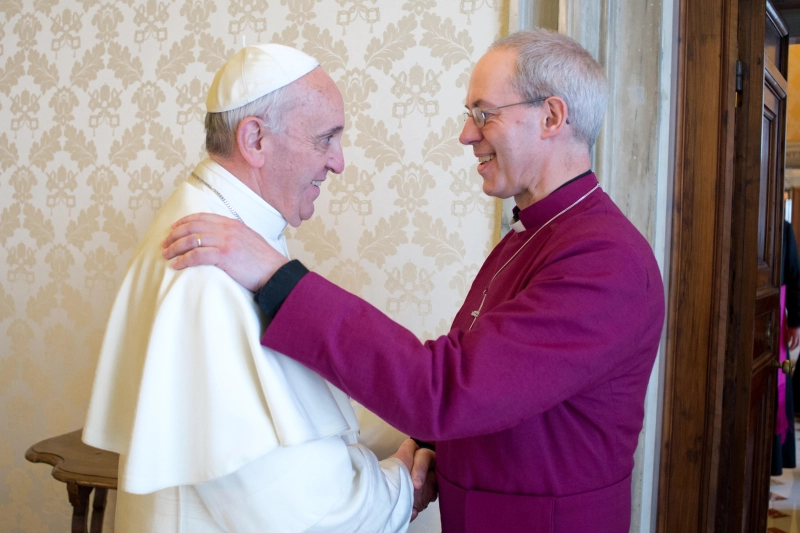
In this Encyclical, Pope Francis sets out a clear, exciting and ambitious vision of the role of human friendship and solidarity as the basis for a better future world order.
Throughout this work, he interweaves the themes of the individual and the social, and stresses their necessary interdependence, rejecting the extremes both of individualism and of social collectivism as contrary to the true dignity and rights of all human beings. His is a true and clearly Christian voice of radical moderation, neither captured by the individualism of the culture nor a prisoner of the dreams of social collectivism.
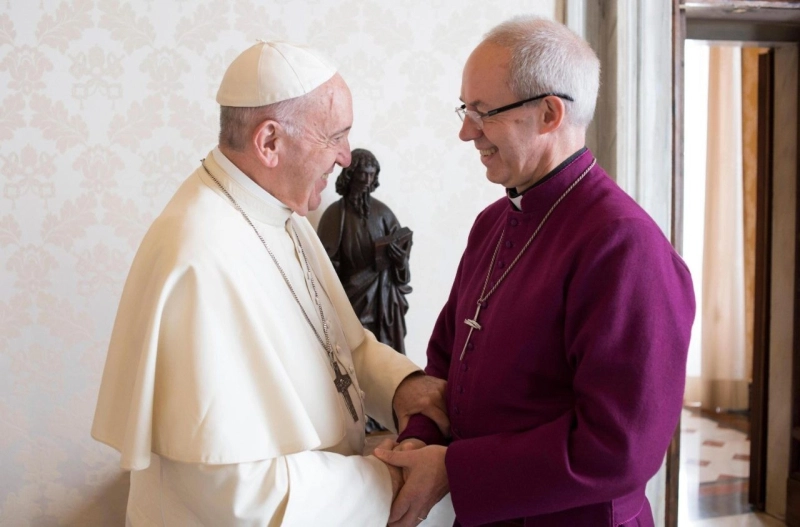
Pope Francis recorded a video–message which was broadcast as part of the Pentecost service of the Archbishop of Canterbury, the Right Reverend Justin Welby. The period between the feasts of the Ascension and Pentecost has traditionally been a time of prayer for Christian unity. Pentecost celebrates that moment when, by the power of the Holy Spirit, peoples of many different languages were united in hearing and accepting the first preaching of the resurrection of Jesus. In the southern hemisphere many countries keep these days as the Week of Prayer for Christian Unity, and by promoting the Thy Kingdom Come movement, Archbishop Welby has made it a special time for Christians to unite in prayer for the evangelisation of the world. In the video–message Pope Francis prays that Christians “be more deeply united as witnesses of mercy for the human family” and warns, “We cannot ask others to be united if we ourselves take different paths.”
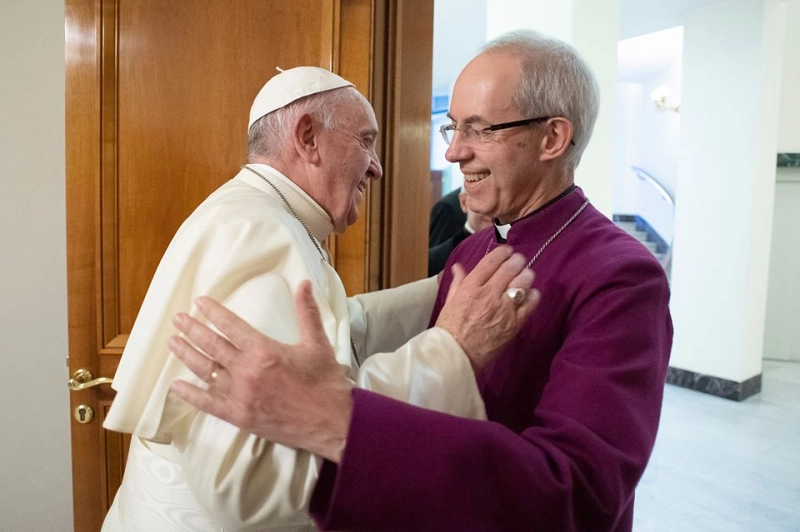
On Wednesday 13th November the Archbishop of Canterbury, the Right Reverend Justin Welby, visited Rome and met with Pope Francis at Casa Santa Marta. The Pope and Archbishop spent more than 30 minutes together in private conversation before the Pope greeted members of the Archbishop’s delegation. The delegation included Archbishop Welby’s wife, Mrs Caroline Welby, Archbishop Ian Ernest, the new Director of the Anglican Centre, and his wife Mrs Kamla Ernest, and Bishop Michael Burrows, the Chair of Governors of the Anglican Centre.
Afterwards, Archbishop Welby said of the meeting, “We discussed our shared passion for peace in South Sudan and agreed that if the political situation permits the creation of a transitional government of national unity, it is our intention to visit together. Our commitment to the teaching of Jesus means we long to see a lasting solution to the conflict in South Sudan. We renew our call for spiritual and political leaders there to strive for peace.” It is hoped that Pope Francis and Archbishop Welby will be able to visit South Sudan in the early part of 2020. The Holy See’s press office released an official communiqué relating to the visit.
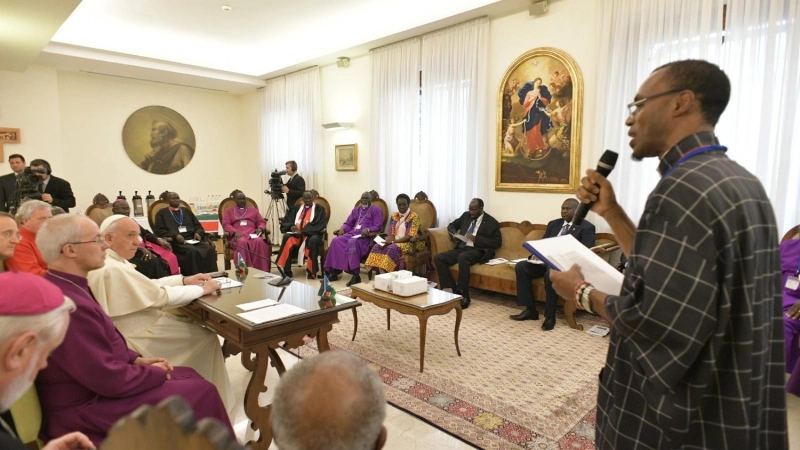
The Archbishop of Canterbury, the Right Reverend Justin Welby led a retreat with Pope Francis in Casa Santa Marta this week (10-11 April) for the political leaders of South Sudan. The Reverend John Chalmers, former Moderator of the Church of Scotland was also in attendance. The ecumenical retreat was the fruit of an unprecedented collaborative effort by Lambeth Palace and the Secretariat of State.
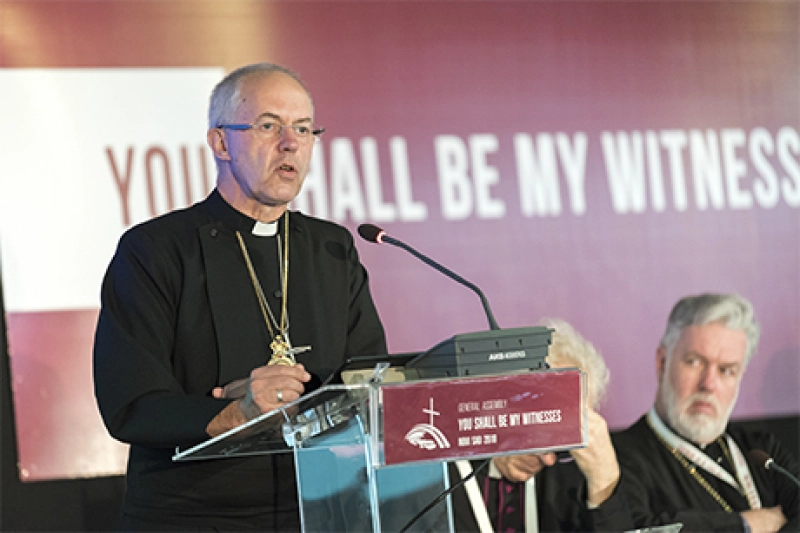
The Archbishop of Canterbury Justin Welby has spoken of the danger that “fear of the other” poses to “Christian witness and presence”. Speaking to the General Assembly of the Conference of European Churches, meeting in Novi Sad, Serbia, he said that churches working together can help to break down the walls that others seek to build. “The Church breaks across boundaries and frontiers as if they did not exist,” he said. “By being in Christ, I am made one by God in a family that stretches around the world and crosses cultural, linguistic and ecumenical frontiers, driven by the Spirit who breaks down all the walls that we seek to erect.” He began his address by saying that “fear is the greatest danger that afflicts Christian witness and presence.” He added: “It is fear of the other that causes us to put up barriers, whether within churches, between churches and for that matter between nations. It is fear of the Other the causes us to build walls, whether spiritual or physical. It is fear of the Other that leads to divisions and eventually to the fall of civilisations.”
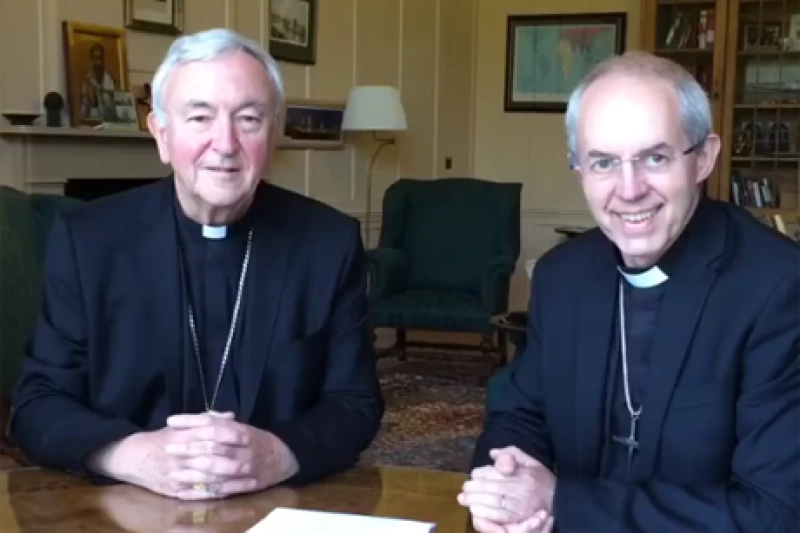
The Archbishop of Canterbury, Justin Welby, has spoken of the pain caused by the broken communion between Christians brought about as a result of the Protestant Reformation. But, as the churches mark tomorrow’s 500th anniversary of Martin Luther nailing his theses to the door of the Schlosskirche (All Saints / Castle Church) in Wittenberg, Archbishop Welby said that “we have learned once again to love one another — and to seek to bless and love the world in which we live.”
Archbishop Justin made his comments in a comment piece for London’s Evening Standard newspaper. In it, he wrote about a recent Communion service he attended in the city’s Roman Catholic Westminster Cathedral, led by the Archbishop of Westminster, Cardinal Vincent Nichols.
“Because of the events of the Reformation and the history since, it remains impossible for Anglicans and Roman Catholics to receive communion together,” he wrote. “At that solemn moment in the service, I lined up at the front with everyone else. But because I could not put my hands out for the bread and wine, I knelt down to be prayed for by Cardinal Nichols. He took my hand and lifted me to my feet. Both of us had tears in our eyes. We are the closest of friends, and being reminded of the divisions in the global Church pains us both very deeply.”
Pope Francis meets the Anglican Archbishop of Canterbury Justin Welby to discuss shared concerns, including a planned visit to war-torn South Sudan.
Pope Francis met on Friday with the Archbishop of Canterbury, Justin Welby, together with the new director of Rome’s Anglican Centre, Archbishop Bernard Ntahoturi of Burundi. Following their half hour encounter in the Apostolic Palace, the two Anglican archbishops and their wives joined the pope for lunch in his Santa Marta residence to continue the conversation.
On Thursday, the Anglican leader presided at Vespers at Rome’s Caravita church for the installation of Archbishop Bernard Ntahoturi as his official representative to the Holy See. The Vatican’s foreign minister, Archbishop Paul Gallagher, who previously served as nuncio in Burundi, preached the homily, stressing that ecumenical engagement is a moral imperative for all Christians.
Philippa Hitchen caught up with Archbishop Welby at the end of his brief visit to Rome to find out more about his meeting with the pope and their plans for a joint visit to war-torn South Sudan…