News & Opinion

• 2026
• 2025
• 2024
• 2023
• 2022
• 2021
• 2020
• 2019
• 2018
• 2017
• 2016
• 2015
• 2014
• 2013
• 2012
• 2011
• 2010
• 2009
• 2008
• 2007
• 2006
• 2005
• 2004
• 2003
• 2002
• 2001
• 2000
• 1999
• 1998
• 1997
• 1996
• 1967
• 1966

Sister Nathalie Becquart, XMCJ, former Under-Secretary of the General Secretariat of the Synod of Bishops at the Vatican, preached at the Inaugural Eucharist of the Church of England's General Synod in Westminster Abbey
A Call for Conversion: Sermon at the Inaugural Eucharist of the General Synod (17 Nov 2026)

Anglican-Roman Catholic International Commission conclude second phase of work on ARCIC III (21 Oct 2026)

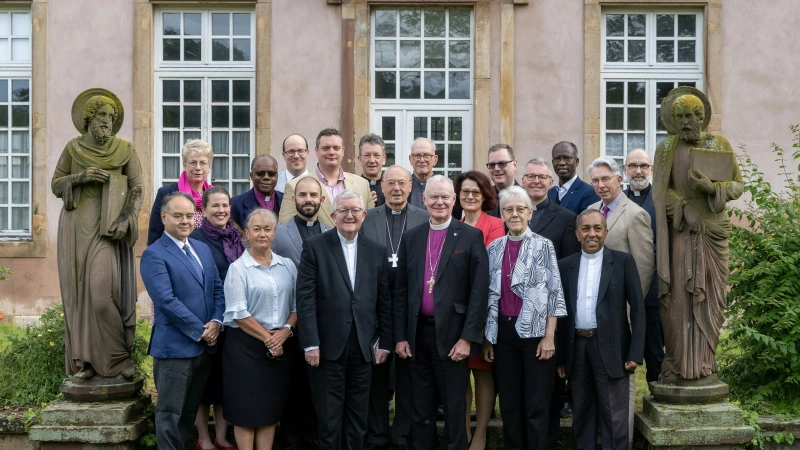
Members of the official Anglican–Roman Catholic International Commission pose for a photo during their meeting May 11-18, 2024, in Strasbourg, France. Archbishop Bernard Longley of Birmingham, England, center left, is the Catholic co-chair of the commission, and Archbishop Philip Freier of Melbourne, Australia, center right, is the Anglican co-chair
‘A Growing Sense of Urgency’: Lessons from ARCIC (31 Jul 2026)

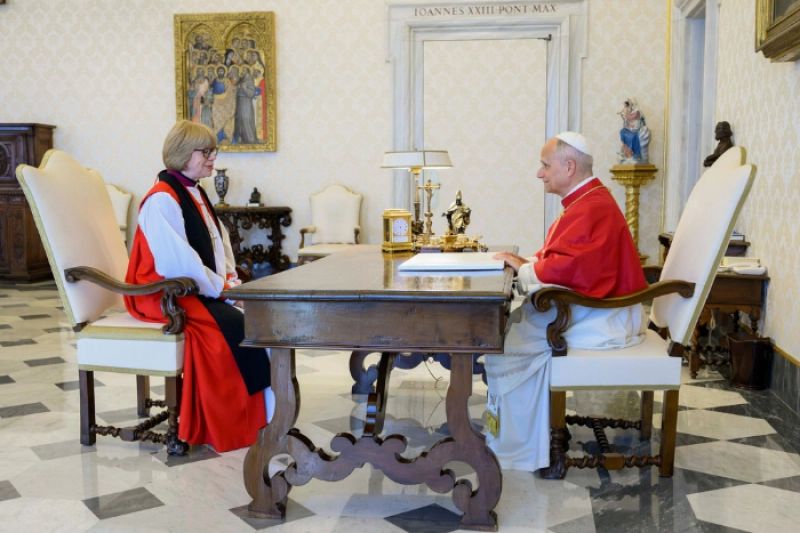
Archbishop of Canterbury Sarah Mullally meeting with Pope Leo XIV in the Apostolic Palace
The Archbishop of Canterbury meets and prays with Pope Leo XIV during four day pilgrimage to Rome (27 Apr 2026)

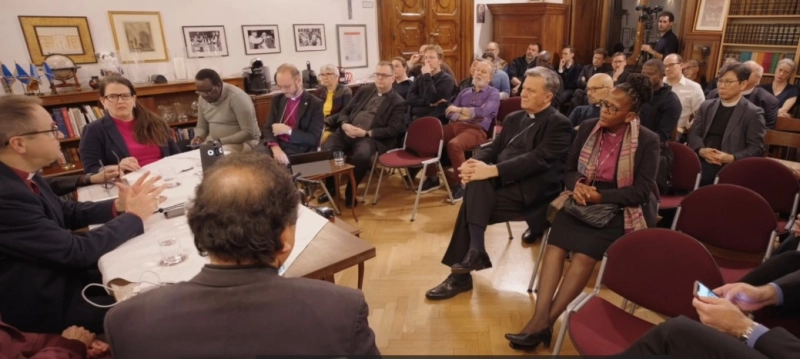
IASCUFO members reconvene at the Anglican Centre in Rome in 2025 to discuss feedback and their work to date on the Nairobi-Cairo Proposals
Canadian Anglicans prepare to weigh in on Nairobi-Cairo Proposals (16 Apr 2026)

July ~ 2021 ~ Anglican-Roman Catholic news & opinion
Primates denounce British government’s new policy on the “troubles” in Northern Ireland
17 July 2021 • Persistent link: iarccum.org/?p=4122 •
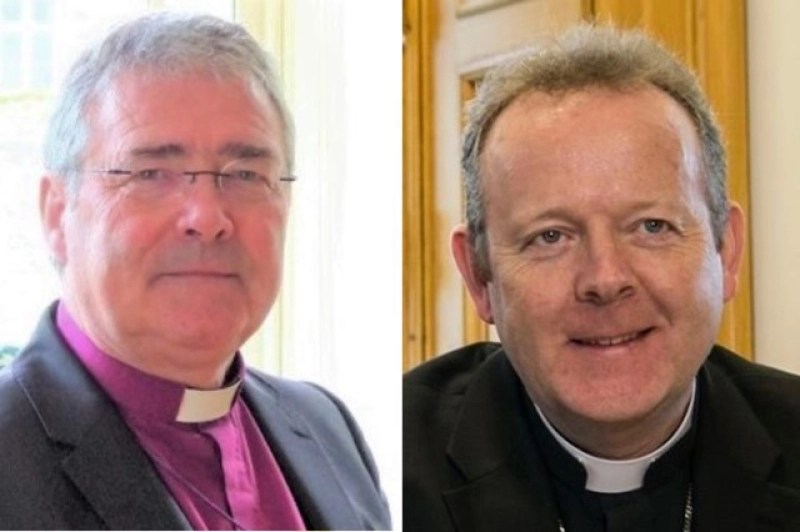
The Anglican and Roman Catholic Primates of Ireland and Archbishops of Armagh: Archbishops John McDowell (left) and Eamon Martin (right)

The Most Revd John McDowell, Archbishop of Armagh and [Anglican] Primate of All Ireland, has issued the following statement on the UK Government’s planned approach to the Legacy of the Troubles:

‘The announcement yesterday in the House of Commons of the path that the Government intends to follow in relation to Legacy issues in Northern Ireland will have created further heartbreak, frustration and anger for victims of the Troubles. The degree of suffering endured by victims over the years is not something that can be moved on from. It needs to be acknowledged in the full variety of its expression, and dealt with over the long term.

‘Failure to deal with Legacy has probably been the biggest political and societal failing since the signing of the Belfast/Good Friday Agreement. The one principle which all involved have been agreed on is that a general amnesty would be a morally empty response. Regardless of the name it goes under, a general amnesty is what the Government of the United Kingdom is now planning to put in place.